Traditional Funeral Services
Traditional funeral services offer families a meaningful and time-honored way to honor a loved one’s life. These services typically include time for remembrance, rituals that reflect faith or cultural traditions, and opportunities for family and friends to gather in support. While details can be personalized, traditional funerals typically follow a structure that balances ceremony with comfort.
What to Expect in a Traditional Service
A traditional funeral often begins with a visitation or viewing, allowing family and friends the opportunity to come together, offer condolences, and spend quiet moments with the deceased if desired. The funeral service itself usually follows, held in a funeral home, place of worship, or another meaningful location. This service may include readings, music, prayers, and words of remembrance that reflect the life and values of the individual.
Typically Included
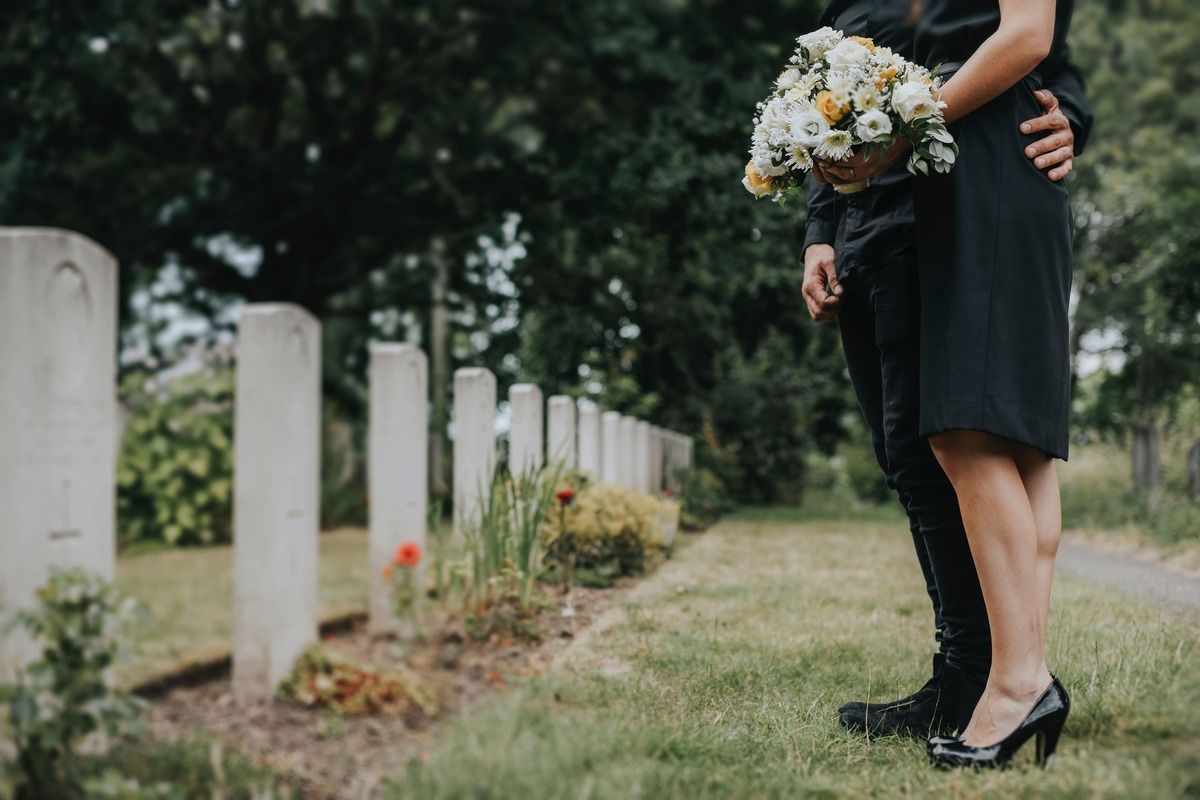
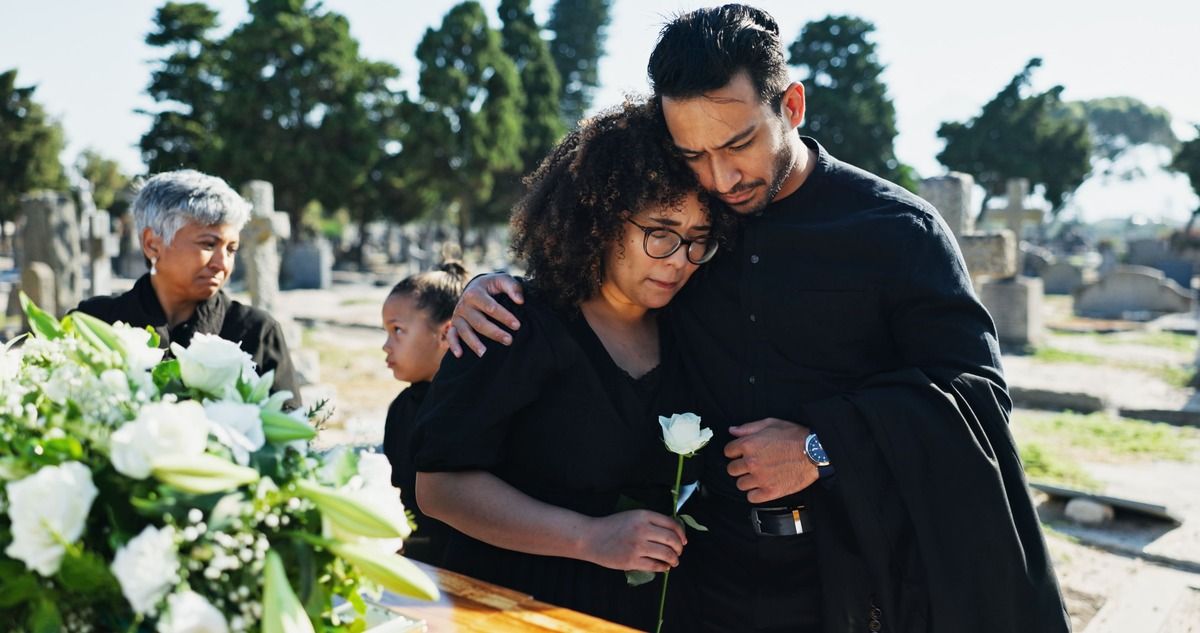
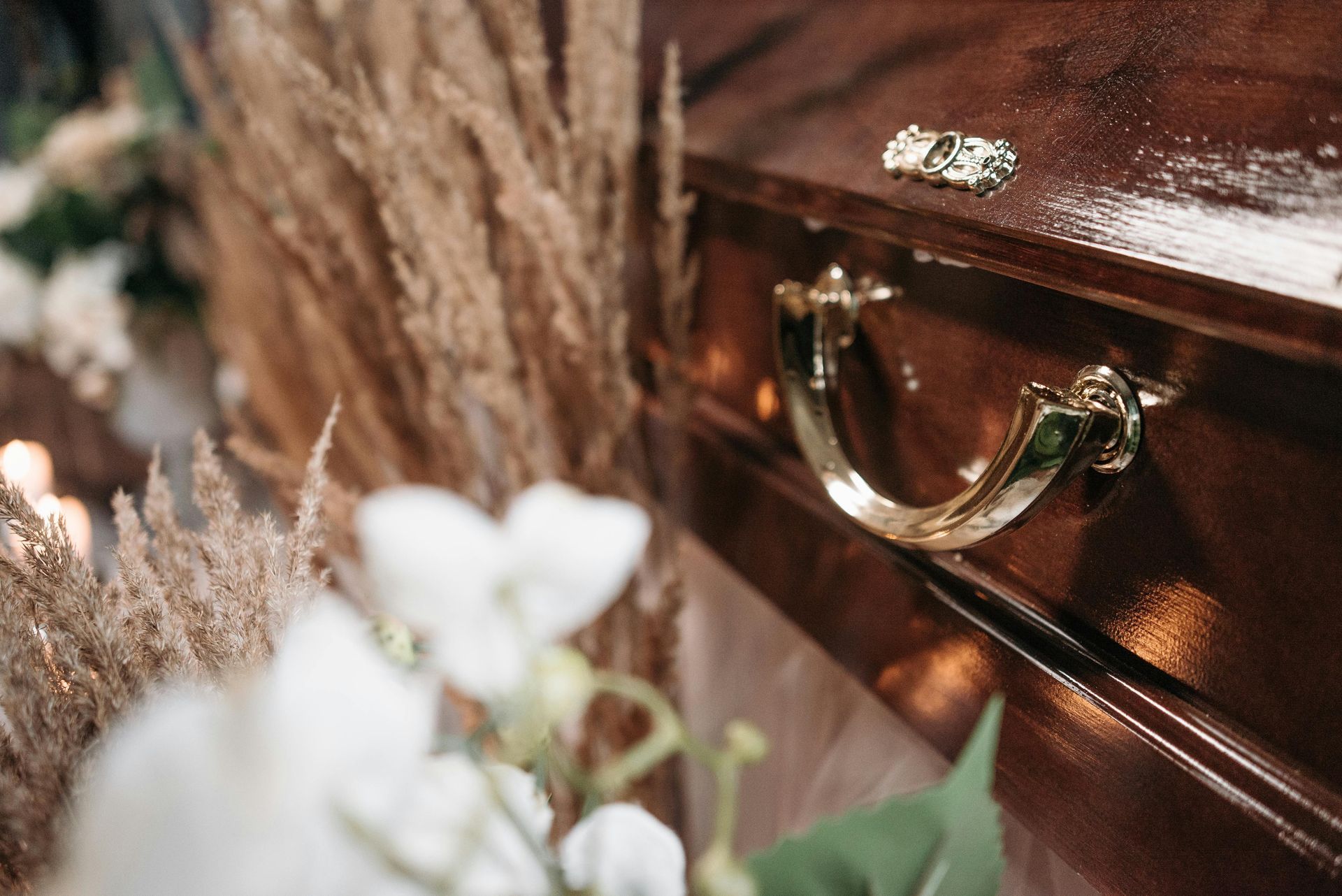
Traditional services often involve the selection of a casket, floral arrangements, and memorial stationery. Clergy or an officiant may lead the service, while family and friends may participate by delivering eulogies, readings, or music. Following the service, there is usually a procession to the cemetery, where a committal or graveside service takes place. Pallbearers, chosen from close family or friends, may assist in honoring the loved one during this part of the ceremony.
The Value of Tradition
While every family is unique, many find comfort in the familiar structure of a traditional funeral. Rituals such as shared prayers, music, or customs rooted in faith can create a sense of connection, tradition, and shared remembrance. Beyond ceremony, these gatherings give family and friends a chance to come together in remembrance, offering support and beginning the healing journey. Traditional services provide both a respectful farewell and a meaningful space to honor a life lived.